Traditional Rahmgulasch, also known as Creamy German Goulash, is one of the most beloved comfort dishes in Central European cuisine. This rich, slow-simmered stew combines tender chunks of meat, sweet paprika, and a luxuriously creamy sauce that defines classic German home cooking. Deeply satisfying and full of warmth, Rahmgulasch is a dish designed for slow enjoyment, family gatherings, and hearty meals during colder seasons.
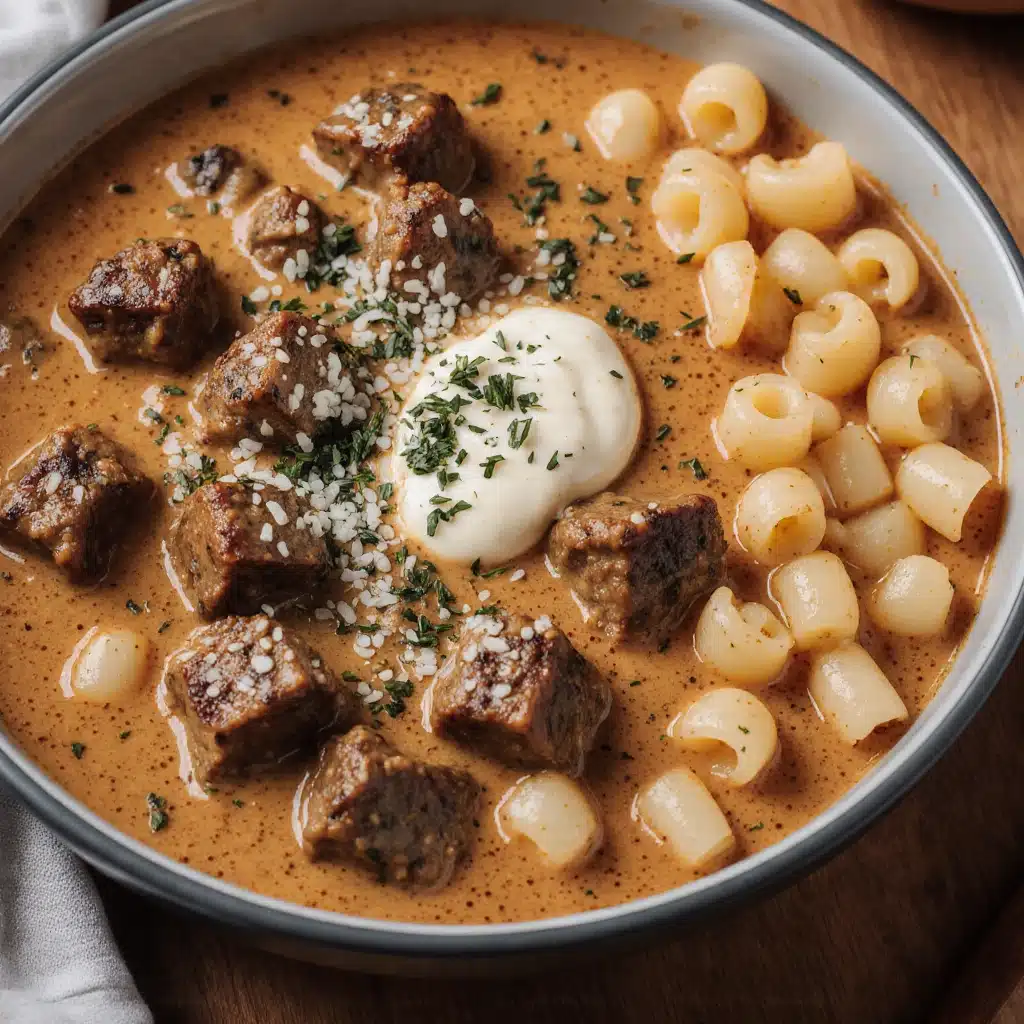
We present a complete, refined, and authentic preparation that honors tradition while delivering restaurant-level results in a home kitchen. This version focuses on technique, ingredient balance, and flavor development to produce a goulash that is smooth, comforting, and intensely flavorful.
What Makes Rahmgulasch a German Classic
Rahmgulasch differs from other goulash styles through its distinctly creamy sauce. While Hungarian goulash emphasizes broth and spice, German Rahmgulasch leans toward richness and silkiness, achieved by finishing the stew with sour cream or heavy cream. The paprika provides warmth rather than heat, allowing the meat and onions to shine.
The dish is traditionally served with egg noodles, bread dumplings (Semmelknödel), or potato dumplings, making it a staple of German comfort cuisine.
Ingredient Selection for Authentic Flavor
Choosing the right ingredients is essential to achieving the classic taste and texture of Rahmgulasch.
Core ingredients include:
- Beef chuck or pork shoulder for tenderness after long simmering
- Butter or neutral oil for browning and depth
- Finely chopped onions to create natural sweetness and body
- Fresh garlic for subtle aromatic complexity
- Tomato paste to enrich color and umami
- Sweet paprika as the defining spice
- High-quality beef broth for structure and richness
- Full-fat sour cream or heavy cream for the signature creamy finish
- Salt and freshly ground pepper for balance
- Optional caraway seeds for traditional earthy notes
- Fresh parsley for garnish and freshness
Each ingredient plays a specific role, contributing to a sauce that is smooth, cohesive, and deeply comforting.
Preparing the Meat for Maximum Tenderness
PrintTraditional Rahmgulasch Recipe: Authentic Creamy German Goulash at Its Finest
Rahmgulasch is a traditional German creamy goulash made with tender slow-simmered beef or pork in a rich paprika sauce finished with cream. Hearty, comforting, and deeply flavorful, it is perfect served with noodles, dumplings, or mashed potatoes.
- Prep Time: 20 minutes
- Cook Time: 1 hour 45 minutes
- Total Time: 2 hours 5 minutes
- Yield: 4 servings
- Category: Main Course
- Method: Simmering
- Cuisine: German
Ingredients
1 1/2 lbs (700g) beef chuck or pork shoulder, cut into chunks
2 tablespoons butter or oil
2 onions, finely chopped
2 garlic cloves, minced
2 tablespoons tomato paste
2 tablespoons sweet paprika
2 cups (500ml) beef broth
1/2 cup (120ml) sour cream or heavy cream
Salt and pepper to taste
Optional: 1/2 teaspoon caraway seeds
Chopped parsley for garnish
Instructions
1. Heat the butter or oil in a large pot over medium-high heat and brown the meat in batches on all sides, then remove and set aside.
2. Add the chopped onions to the same pot and cook until soft and golden, about 10 minutes.
3. Add the minced garlic and cook for 1 minute until fragrant.
4. Stir in the tomato paste and sweet paprika and cook for 2 minutes, stirring frequently.
5. Return the browned meat to the pot and pour in the beef broth.
6. Add caraway seeds if using and bring the mixture to a boil.
7. Reduce heat, cover, and simmer gently for 1½ to 2 hours until the meat is very tender.
8. Stir in the sour cream or heavy cream and warm gently without boiling.
9. Season with salt and pepper to taste and serve hot with noodles, dumplings, or mashed potatoes.
Notes
Beef, pork, or a combination of both works well in this recipe.
Use full-fat sour cream or heavy cream for the best texture and flavor.
Rahmgulasch tastes even better the next day as the flavors deepen.
Garnish with fresh parsley for added color and freshness.
Rahmgulasch relies on slow cooking to transform tougher cuts into melt-in-your-mouth perfection. Beef chuck and pork shoulder are ideal because their connective tissue breaks down during long simmering, enriching the sauce naturally.
The meat is first cut into generous chunks, ensuring it remains juicy throughout cooking. Browning the meat in batches is a critical step. Proper browning develops deep flavor through caramelization, creating the foundation for the entire dish. Crowding the pot should be avoided, as it prevents proper searing.
Once browned, the meat is set aside, allowing the flavors left in the pot to be built upon.
Building the Flavor Base with Onions and Paprika
Onions are the backbone of traditional Rahmgulasch. Finely chopped onions are slowly cooked in the same pot until soft and golden, releasing natural sweetness that balances the paprika and cream.
Garlic is added briefly to avoid bitterness, followed by tomato paste, which is cooked gently to remove raw acidity and deepen flavor. Sweet paprika is then incorporated, stirred continuously to prevent scorching. This step is essential, as burnt paprika can turn bitter and overpower the dish.
The result is a fragrant, richly colored base that defines the character of the goulash.
Slow Simmering for Richness and Depth
The browned meat is returned to the pot, along with beef broth and optional caraway seeds. The stew is brought to a gentle boil, then immediately reduced to a low simmer. Covering the pot allows the meat to cook evenly while retaining moisture.
Rahmgulasch benefits from patience. A simmering time of 1½ to 2 hours allows flavors to meld fully and the meat to become exceptionally tender. During this time, the onions dissolve into the sauce, naturally thickening it without flour or starch.
Occasional stirring ensures even cooking and prevents sticking.
Creating the Signature Creamy Sauce
The defining moment of Rahmgulasch comes at the end of cooking. Once the meat is tender, the heat is reduced, and sour cream or heavy cream is gently stirred in. The sauce becomes smooth, velvety, and pale orange in color.
It is essential not to boil the stew after adding cream, as high heat can cause separation. Gentle warming preserves the creamy texture and ensures a cohesive finish.
Seasoning is adjusted carefully with salt and freshly ground pepper, allowing the paprika and meat flavors to remain prominent.
Balancing Flavor and Texture
Rahmgulasch is about harmony. The sauce should coat the meat without being overly thick. The paprika should be present but not sharp. The cream should soften the dish without dulling its savory depth.
Optional caraway seeds add a subtle traditional note, but they should remain understated. Garnishing with chopped parsley provides freshness and visual contrast, lifting the richness of the dish.
Traditional Serving Suggestions
Rahmgulasch is traditionally served hot and generously portioned. Ideal accompaniments include:
- Egg noodles or spaetzle for soaking up the sauce
- Bread dumplings or potato dumplings for a classic presentation
- Mashed potatoes for a comforting, modern pairing
A crisp green salad or lightly pickled vegetables provide balance and contrast to the richness of the stew.
Storage, Reheating, and Make-Ahead Tips
Rahmgulasch improves with time. After resting overnight, the flavors deepen and the sauce becomes even more cohesive. This makes it an excellent choice for meal prep or entertaining.
Store leftovers in an airtight container in the refrigerator for up to three days. Reheat gently over low heat, stirring occasionally. If the sauce thickens too much, a small splash of broth can restore the desired consistency.
Why Rahmgulasch Remains a Timeless Favorite
Traditional Rahmgulasch endures because it delivers comfort, richness, and familiarity in every bite. It reflects the heart of German home cooking: simple ingredients treated with care, patience, and respect for tradition.
This creamy goulash is more than a meal; it is a reflection of culinary heritage, designed to bring warmth and satisfaction to the table. When prepared with attention to detail, it stands as one of the finest examples of European comfort food.